
A breakout usually clears in days or weeks, but the mark it leaves can stay for months. Many people call every leftover spot a scar, yet most flat marks are temporary color changes, not permanent damage. Knowing the difference, and caring for your skin while it heals, gives you the best chance of a smooth result.
Marks and scars are not the same thing
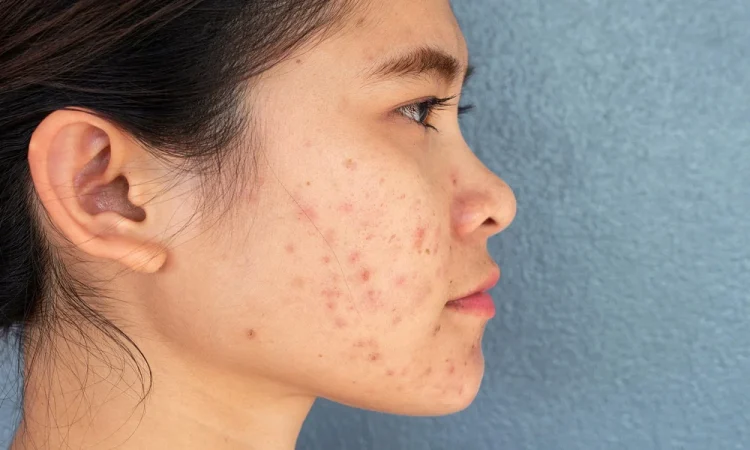
When an inflamed spot heals, it often leaves a flat pink, red or brown patch. This is a change in color, not in texture, and it usually fades on its own over several months. A true scar is different, because the surface of the skin has changed shape. It may sit below the surrounding skin or, less often, above it.
If you want to see how dermatologists sort these textured scars, this overview of the different types of acne scars explains each one and why the type matters when choosing a treatment.
Why some breakouts leave scars
Scarring is linked to how deep the inflammation goes and how long it lasts. Small whiteheads and blackheads rarely scar. Deep, painful cysts and nodules are more likely to damage the collagen under the surface, and when that collagen is lost or rebuilt unevenly, the skin can heal with a dent or a bump. Genetics also plays a part, which is why two people with similar acne can heal very differently.
Habits that help skin heal
- Leave spots alone. Squeezing or picking pushes inflammation deeper and raises the risk of both dark marks and scars.
- Treat active acne early. The sooner inflammation is under control, the less time it has to damage deeper layers. Over-the-counter options such as benzoyl peroxide, salicylic acid or adapalene work for many mild cases.
- Wear sunscreen every day. Sun exposure can darken post-acne marks and make them last longer. A broad-spectrum SPF 30 or higher is a simple daily step.
- Keep your routine gentle. Harsh scrubs and too many active products at once can irritate skin that is still healing.
When to see a dermatologist
Book an appointment if your acne is deep or painful, if it has not improved after two to three months of steady over-the-counter care, or if you notice new marks that look sunken or raised. Prescription treatment can calm severe acne before it leaves lasting damage, and many established scars can be improved with in-office procedures. A dermatologist can also tell you whether a mark is a temporary color change or a true scar, which saves time and money spent on the wrong treatment.
The bottom line
Most marks left by a breakout fade with time, sun protection and patience. Scarring is more likely after deep, inflamed acne, so the most useful steps are treating breakouts early and keeping your hands off your face. If a mark does not fade, or it has changed the texture of your skin, a dermatologist can help you choose a treatment that suits your scar type.