

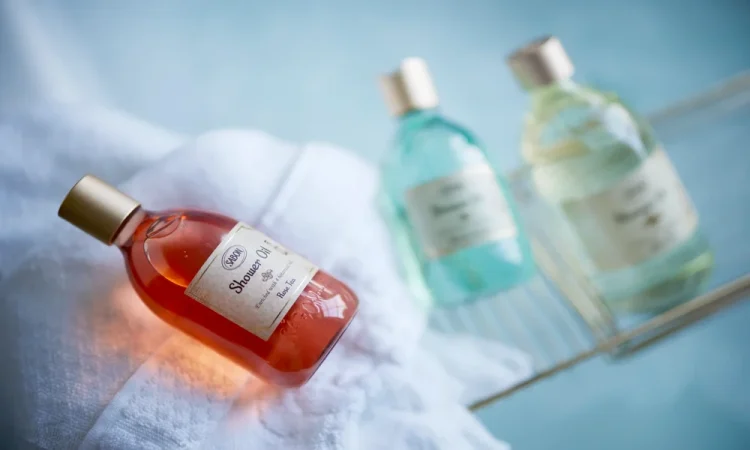

A shower oil looks like an ordinary bottle of oil until it meets water. Most formulas contain a mild cleansing agent, so the oil turns milky on wet skin and rinses away with the day’s sweat and grime, leaving a thin, soft film behind. An organic shower oil takes that same idea and builds it mostly on plant oils from certified organic farming, which appeals to anyone who reads every label in the store.
Picking one is harder than it sounds. Shelves mix true cleansing oils with oils meant for soaking in a tub, and the words natural, organic and herbal appear on almost everything. Two bottles with the same front label can feel completely different on wet skin, so the back of the bottle usually decides whether a natural shower oil suits your skin and your mornings.
What Sets an Organic Shower Oil Apart from Body Lotion?
Body lotion is mostly water with oils and thickeners, and it goes on after you towel off. A shower oil works earlier, during the wash itself. Because it cleanses with less foam than a typical gel, people with dry or easily irritated skin often find their skin feels less tight after rinsing. An organic shower oil can also cut out the wait for lotion to sink in, which helps on rushed weekday mornings.
Bath oils are a close cousin with a different job. A classic organic bath oil is poured into a full tub, where it floats on the surface and coats the skin as you soak. Some contain no cleanser at all. If you mostly take quick showers, a soaking product can leave the floor slick and your skin greasy, so check whether the label says it is meant for the shower, the bath or both.
Does the Organic Label on Bath Oil Mean Anything Official?
In the United States, the FDA does not define or regulate the word organic for cosmetics. The USDA National Organic Program covers the term only when a product contains agricultural ingredients and has been certified under its rules. A product labeled organic must contain at least 95 percent organic ingredients, not counting water and salt, and may carry the USDA Organic seal, while one labeled “made with organic ingredients” needs at least 70 percent and cannot show the seal. An organic bath oil with that seal has passed a real audit, and a bottle that simply uses the word in its brand name may never have been checked.
The word natural has even less behind it, since no federal definition exists for cosmetics. A natural bath oil might be pure almond oil, or it might carry synthetic fragrance alongside a few token plant extracts. The ingredient list, printed largely in order of amount, tells you far more than the front of the bottle ever will.
Which Ingredients Make a Good Herbal Bath Oil for Daily Use?
Start with the base. Sunflower, safflower, almond, jojoba and sesame oils are common, and each feels slightly different: sunflower is light, almond is soft and slow to absorb, and sesame is richer, with a long history in Ayurvedic bathing rituals. Then look at the cleanser. Gentle surfactants derived from coconut or sugar are typical in shower formulas, while a pure herbal bath oil for soaking may contain none.
Herbs and scents come next. Calendula, chamomile, rose, lavender and neem show up often. Folk use credits these plants with soothing qualities, though solid human research on most of them in bath products is thin. Essential oils give a pleasant aroma but are also a frequent cause of skin reactions, so an unscented or lightly scented natural shower oil is the gentler pick for sensitive skin.
Skin type helps narrow the field. Very dry skin usually does well with a richer formula that leaves more oil behind, while oily or acne-prone skin may prefer a lighter blend with more cleanser and fewer heavy butters. Ayurvedic tradition frames the same idea through the doshas, pointing dry, cool skin toward a sesame-based natural shower oil and warmer skin toward coconut or sunflower.
Your hair routine can shape the decision too. Many people massage Ayurvedic hair oil into the scalp before a shower and then wash it out with shampoo. In that case, a body product with a lighter texture keeps the whole routine from feeling heavy, and shampooing first stops leftover scalp oil from running down onto freshly cleansed skin.
How Can You Test and Use Shower Oil Without Slipping?
Plant ingredients can still irritate skin. Before using a new herbal bath oil all over, leave a dab on a small patch of skin, such as the inside of the upper arm, after each shower for seven days or so, and stop if any redness, itching or bumps appear. The same check makes sense for an Ayurvedic hair oil, since scalp skin reacts to fragrance just as easily, and people with eczema or nut allergies should read every label with extra care.
In the shower, pour a small amount into your palm, smooth it over wet skin and work it in until it turns milky, then rinse. Use warm water instead of hot, keep the shower short and pat skin dry. Oil on a tiled floor is a real hazard, especially for older adults, so rinse the floor afterward and consider a non-slip mat. Storing the organic shower oil away from heat and direct light also keeps the plant oils from turning rancid too quickly.
Is Daily Shower Oil Enough for Dry Winter Skin?
For many people it is, though very dry winter skin may still need a cream or ointment on rough spots like shins and heels after bathing. An organic shower oil handles cleansing and leaves a light layer behind, and a richer product can follow on the driest areas while skin is still damp. Some people also keep a natural bath oil for slower weekend soaks, which gives skin extra comfort through the coldest months.