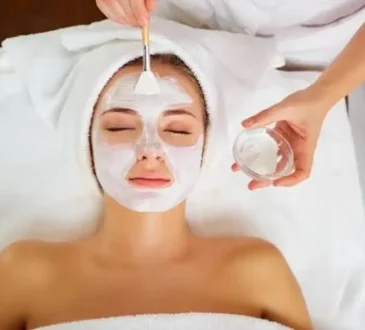

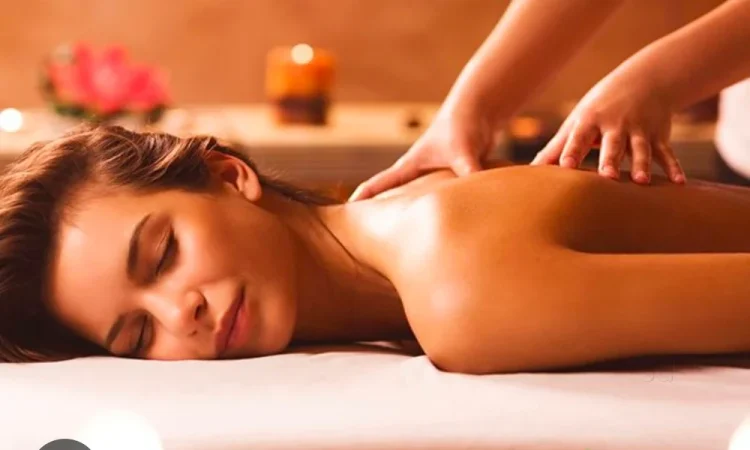
A massage menu becomes easier to read when each label is translated into a sensory and logistical choice. Heat changes temperature. Aroma adds fragrance. A scalp-and-foot format changes where attention is concentrated. A couple format changes the social setting. None of those choices is automatically more effective or more valuable for every guest. The right starting point is the experience a person wants-and the elements they would rather avoid.
Start with the strongest preference
Ask one direct question: what would make this appointment feel comfortable? Someone who is often cold may be interested in warmth. Someone sensitive to fragrance may want an unscented option. A guest who prefers not to have their feet touched can remove a focused foot service from the shortlist immediately. Another guest may like the idea of a targeted scalp-and-foot appointment because a full-body format feels like too much for a first visit.
This approach prevents service names from doing all the decision-making. “Serene,” “relaxing,” and “premium” describe a mood, not the exact process. Guests should ask what happens, what products or tools are used, which areas are included, how long the appointment lasts, and what can be adjusted. A clear explanation is more useful than choosing the option with the most impressive adjective.
Heat belongs in the comfort conversation
Hot-stone formats may appeal to guests who enjoy steady warmth, but temperature preference varies. Ask how heat is introduced and monitored, whether stones remain in place or are used as part of the massage, and how quickly the provider can adjust the experience. A guest should speak up immediately if warmth becomes uncomfortable. Tolerating unwanted heat is not a requirement.
Health and safety questions need individual answers. Pregnancy, reduced sensation, circulation concerns, recent procedures, injuries, medications, or other conditions may affect whether a heated or hands-on service is appropriate. A general article cannot decide that. The guest should consult the relevant health professional and provide the spa with accurate information before the service.
Aroma should never be assumed
Fragrance can be central to an aromatherapy-style appointment, yet it is not neutral. Some guests love a noticeable scent; others find it distracting or have sensitivities. Ask which aromas are used, whether a choice is offered, how concentrated the scent is, and whether the service can be modified. If a person is unsure, an uncomplicated unscented format may be the better first comparison.
The Azure Aqua Spa massage menu lets local guests see the current categories before they call. Use those categories to build a shortlist based on warmth, fragrance, focus area, service length, and individual or couple format. Confirm current details with the spa because page content and availability can change, and ask what each name means in that specific setting.
A useful booking statement could be: “I am new to massage, prefer light-to-moderate pressure, do not want a strong scent, and would like to understand the difference between the standard and scalp-and-foot options.” That sentence gives staff something practical to answer. It also gives the guest a reference point if the conversation starts to drift toward a more elaborate service than they intended.
Couple does not mean identical
A couple appointment is a shared time and setting, not an agreement to have the same preferences. Each person should be asked about pressure, focus, aroma, heat, conversation, and areas to avoid. One may choose a different service length or decide that separate appointments are more comfortable. The quality of the outing depends more on respecting two individual briefs than on creating a perfectly matched photo.
Discuss the social part too. Do both guests want to talk, or would they prefer quiet? Is the purpose a celebration, a first introduction to spa services, or simply time together? Agreeing on those expectations beforehand reduces the chance that one person feels responsible for entertaining the other during a service designed around rest.
Compare packages only after choosing the experience
Once the sensory preferences are clear, a package can be evaluated on fit. The question is not how many line items it contains. It is whether each component supports the kind of visit being planned. Guests can view the current spa-package choices and compare them with their shortlist. A single well-matched massage may be more satisfying than a multi-service plan built around elements nobody specifically wanted.
Booking staff can also clarify whether time labels refer only to hands-on service or to the complete appointment. Ask about arrival, consultation, changing, and checkout so the calendar reflects reality. If an option requires more preparation or transition than expected, that may be a reason to choose it on a different day rather than squeezing it into the current plan.
After the visit, record three things: the pressure that felt right, any sensory element that helped or distracted, and whether the duration suited the day. That information is a personal menu for next time. It can also reveal that a different category-not a longer or more expensive version-is the better experiment.
Choosing by experience keeps the decision honest. Head, feet, heat, and aroma are not promises; they are features with practical consequences. When the guest names their preferences, checks individual safety questions, and asks what the service actually includes, the menu becomes a set of understandable options rather than a test of spa vocabulary.