
Practical Tips for Designing Road-Ready Healthcare Units That Build Trust Beyond the Clinic

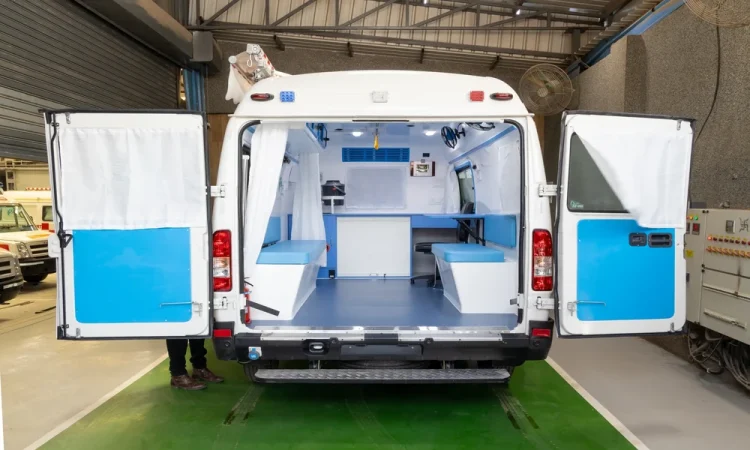

Mobile healthcare units enable healthcare providers to reach communities where traditional clinics may not be easily accessible, thus bringing healthcare services to those who need them. However, creating an effective road ready health care unit is not as simple as putting medical equipment in a vehicle. The units need to be safe, reliable, comfortable, and meet professional standards in order to ensure that patients trust the units in all settings of care provision.
To achieve this level of reliability, careful planning and execution are essential during the initial development stage. Following a comprehensive Road Ready Healthcare Units Build Guide helps organizations account for critical structural, electrical, and spatial requirements before construction begins. By taking a structured approach to design, providers can avoid costly redesigns and ensure their mobile clinics meet all safety and operational standards from day one.
Identify and explain the Healthcare Purpose.
First, determine what services will be delivered by the unit. A vehicle to carry out health screening will be different from a vehicle used for dental screening, vaccinations, diagnostic testing or specialist consultation. Having a clear purpose guides the layout, equipment and technical systems.
Prioritise Durable Construction
Road-ready healthcare units need to be able to endure the frequent travelling and road conditions. Protecting interior systems, securing equipment and ensuring a tight build can help minimise damage when it comes to moving it. Reliability is crucial since undue vehicle problems may hinder access to health services.
Make an organised and clean interior space.
Interiors should be planned for efficient service to the patient. Consultation areas, treatment areas, equipment, storage and staff working areas should be logically planned. Maintain a clean and orderly environment, which can help patients feel more at ease and instill a sense of professionalism.
Protect Patient Privacy
Trust is the need for privacy. The design must allow for proper separation for consultations and treatments, as well as enable the secure handling of patient information. A more private environment can be obtained through sound control or privacy screens, as well as secure storage.
Install an automatic power and climate control system.
Power reliability is essential for medical equipment, lighting, digital equipment and climate control. In areas where normal means of electric power are out of reach, appropriate back-up electrical systems can be installed. Heating, cooling, ventilation and insulation are additional comfort and equipment factors.
Ensure that the Unit is accessible.
Accessibility should be planned for from the outset of design. Access systems, ramps, steps, internal circulation and the use of equipment must be suitable for patients with various mobility requirements. An accessible design might make for a more accessible unit that can be used by a broader user base.
Use Technology Thoughtfully
Mobile healthcare can be enhanced through the use of digital records, mobile telemedicine tools, diagnostic equipment, and secure communication systems. But technology should be chosen as a result of the requirements of the operation, and easily integrated by the healthcare professionals.
Keep an Outward Disciplined look
The external appearance of the unit could affect the perception of the public of the healthcare service. Patients will be able to identify the vehicle and importance of its use if the branding is clear, the graphics are appropriate, and information is visible. An attractive exterior could help instil trust.
In short, creating a Road Ready Health Unit demands attention to durability, patient experience, privacy, access, technology and reliable operations. Mobile units can also be designed with a combination of engineering and a focus on healthcare, creating a space to treat patients professionally and in a way that helps to foster trust and connection beyond the confines of a clinic.