
Deciding to undergo rhinoplasty is an important personal decision. Understanding each stage of the process can help patients feel more prepared, ask better questions, and maintain realistic expectations about surgery and recovery.
Rhinoplasty is designed to reshape the nose, improve breathing, or combine both objectives. Because the nose is a central facial feature with a complex internal structure, careful planning is essential.
The Initial Rhinoplasty Consultation
The consultation is one of the most important parts of the process. During this appointment, the patient explains what they would like to change and any concerns they have about breathing, previous injuries, or earlier nasal surgery.
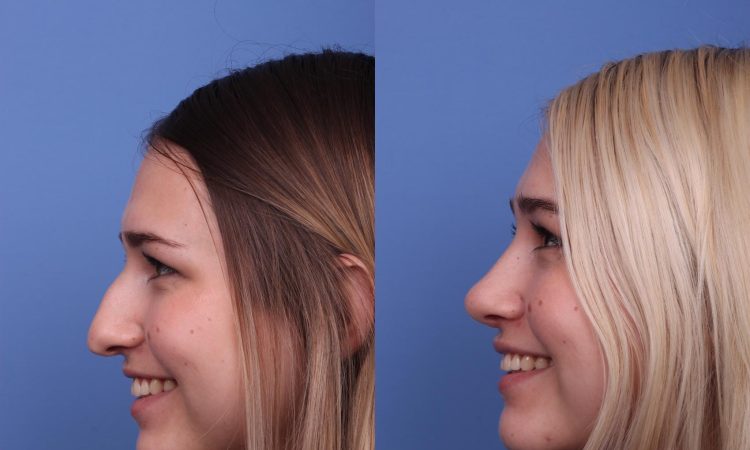
The surgeon examines the nose from the front, profile, base, and three-quarter views. Skin thickness, cartilage strength, nasal symmetry, tip support, bridge shape, and facial proportions are assessed.
The inside of the nose may also be examined to identify a deviated septum, enlarged turbinates, nasal valve problems, or other possible causes of breathing difficulty.
Patients considering rinoplastia barcelona should use the consultation to discuss their expectations openly and understand which changes are realistic for their anatomy.
Preparing for Surgery
Before rhinoplasty, the medical team will provide specific instructions. Patients may be asked to complete blood tests, an anaesthetic evaluation, or additional examinations depending on their health and surgical plan.
Smoking should be stopped before and after surgery because nicotine can interfere with circulation and healing. Certain medications and supplements may also need to be avoided if they increase the risk of bleeding.
Patients should arrange transport home and prepare a comfortable recovery area. Cold compresses, soft food, prescribed medication, and extra pillows can make the first days easier.
What Happens During Rhinoplasty?
Rhinoplasty is usually performed under general anaesthesia, although the exact approach depends on the procedure and medical team.
The surgeon may use an open or closed technique. In closed rhinoplasty, the incisions are made inside the nostrils. In open rhinoplasty, a small external incision is placed across the columella, the strip of tissue between the nostrils.
Neither approach is automatically better for every patient. The choice depends on the anatomy, surgical objectives, previous procedures, and degree of structural correction required.
During surgery, bone and cartilage may be reshaped, reduced, repositioned, or reinforced. Septoplasty or functional correction may also be performed when necessary.
The First Week of Recovery
After surgery, patients usually experience congestion, swelling, pressure, and mild discomfort. These symptoms are generally managed with prescribed medication and postoperative care.
A splint may be placed over the nose to protect the new structure. Internal supports or soft splints may also be used in certain cases.
Bruising around the eyes varies greatly. Some patients develop noticeable bruising, while others experience very little. Keeping the head elevated and following the surgeon’s instructions can help control swelling.
The external splint is commonly removed after approximately one week. At this stage, the nose will still appear swollen and should not be considered the final result.
Returning to Daily Activities
Many patients return to desk work after seven to fourteen days. Physical exercise, contact sports, heavy lifting, and activities that increase blood pressure should be avoided until the surgeon confirms that they are safe.
Glasses may need to be kept away from the nasal bridge during the early healing period. Sun protection is also important because healing skin can be more sensitive to pigmentation changes.
Patients should attend all follow-up appointments so the surgeon can monitor healing and identify any concerns early.
When Will the Final Result Be Visible?
Rhinoplasty recovery is gradual. Much of the initial swelling improves during the first month, but subtle swelling can remain for several months, particularly around the tip.
The nose may change slightly as scar tissue softens and the tissues adapt to the new structure. Final refinement can take twelve months or longer in some patients.
Thicker skin, revision surgery, and extensive tip work may require a longer recovery period.
Maintaining Realistic Expectations
Rhinoplasty can create meaningful improvements, but perfect symmetry is not always possible. Every face has natural differences between the right and left sides, and healing can vary between patients.
The purpose of surgery is not to create a completely flawless nose. It is to achieve a result that is more balanced, functional, and appropriate for the individual.
Clear communication, realistic expectations, and careful postoperative care all contribute to a positive rhinoplasty experience.