

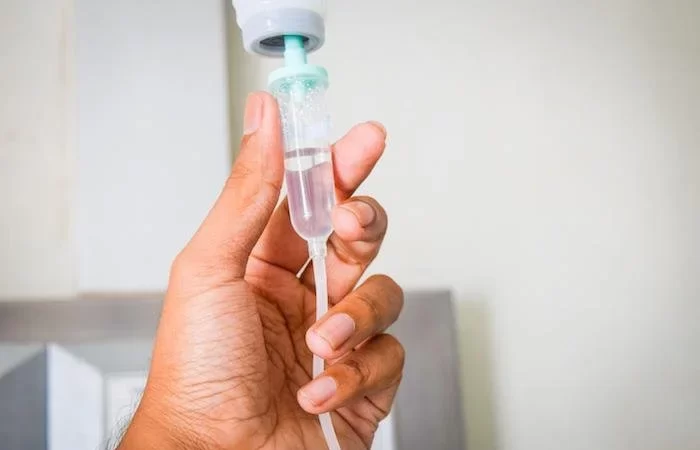
Regular NAD+ IV therapy sessions are gaining attention among people who focus on cellular health. The treatment gives nicotinamide adenine dinucleotide directly into the bloodstream. It helps the body receive it fully without passing through the digestive system. Many people ask what is nad+ iv therapy is when they want to support their cellular function as they age or face daily stress.
Metabolic function enhanced
Metabolism depends heavily on having enough NAD+ available. This coenzyme takes part in hundreds of chemical reactions that process nutrients. Regular therapy keeps the body system balanced. It supports steady metabolism by maintaining good NAD+ levels. The cells use this energy source to convert carbohydrates and fats into useful forms that sustain body functions.
- Blood sugar processing works better when cells have enough NAD+ to turn glucose into energy
- Fat burning between meals or during exercise requires NAD+ to break down stored fats
- Protein processing depends on enzymes that need NAD+ to turn amino acids into useful building blocks
- Energy production cycles, like glycolysis, need NAD+ as a helper molecule to complete the process
- Sleep-wake cycles involve NAD+-dependent systems that help regulate when you feel tired or alert
These metabolic roles show that NAD+’s importance goes beyond just making energy. DNA repair also needs NAD+ to work properly. Cells constantly fix damage to their genetic material. Keeping NAD+ levels stable through regular sessions helps these repair systems do their job. Daily life and natural metabolism cause small damage inside the body. NAD+ works together with sirtuin proteins that help protect and renew healthy cells. These repair processes connect across many functions and show how enough NAD+ supports overall wellness at the same time.
Recovery patterns improved
Recovery from physical activity might get better with regular NAD+ sessions. Repair mechanisms in cells need enough coenzyme to work at their best. Athletes often try NAD+ therapy to help muscles bounce back after hard training. Energy and repair support could help tissues recover from exercise stress faster. Inflammation happens naturally after physical strain or injury. These immune responses need energy and good metabolism to work properly. NAD+ sessions help cells handle inflammation better, which lets the body return to normal more quickly. Recovery isn’t just about exercise, though. Cells constantly repair damage from oxygen stress and environmental factors that build up during everyday life. Keeping NAD+ levels up through regular therapy supports these ongoing repair processes throughout the body.
Ageing process addressed
Getting older involves many biological changes, including drops in NAD+ levels. This decline affects how cells work across different organs. Regular sessions try to counter this natural drop by supplying NAD+ from outside the body. The goal is to keep levels closer to what younger people have. Research shows that losing NAD+ contributes to various age-related problems in cells.
- Skin stays healthier when cells can turn over and make collagen, which needs energy
- Brain function depends on neurons having enough energy to work properly
- Heart and blood vessel health requires cells to maintain their structure through good metabolism
- The immune system needs lots of cellular energy to make and activate the cells that fight infections
- Bones need ongoing cellular work to build and maintain their density throughout life
NAD+ is important for many body systems that slow down with age. Regular NAD+ IV sessions help keep the body active by raising cell energy that supports natural metabolism. This process allows the body to use nutrients well and repair DNA. It may also help tissues heal after physical effort and reduce the slow loss of cell strength that comes with ageing. Steady NAD+ support can also help maintain clear thinking by giving energy to brain cells. These potential benefits come from NAD+’s basic role in cell metabolism. Some people explore ongoing IV therapy as one way to support different aspects of their health throughout life.