
Baby Vaccination Records: Why Parents Should Keep the Health Booklet Updated

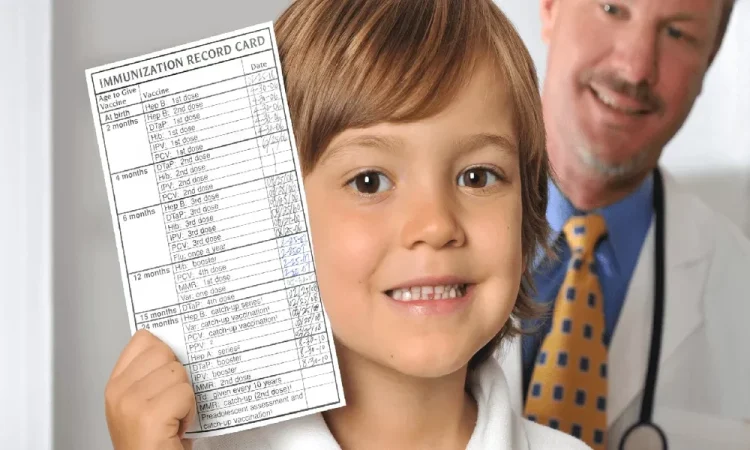
Keeping your child’s health records organised may seem like a small task, but it can make a big difference during clinic visits, school enrolment, and future health checks. In Singapore, the Child Health Booklet helps parents track growth, development, and immunisations from birth. Updated Baby Vaccination Records give doctors a clearer picture of what your baby has received and what may still be due.
For new parents, the first few years can feel busy. There are feeding routines, sleep changes, growth checks, and many clinic appointments to remember. Because of this, vaccination records can easily be overlooked. However, keeping the booklet updated helps protect your child and makes each visit smoother.
What Are Baby Vaccination Records?
A Simple Record of Your Child’s Immunisations
Baby Vaccination Records show which vaccines your child has received, when they were given, and when the next dose may be needed. These records are usually written in the Child Health Booklet and may also be available digitally through HealthHub.
In Singapore, childhood vaccinations follow the National Childhood Immunisation Schedule. This schedule helps protect children against serious vaccine-preventable diseases such as tuberculosis, hepatitis B, measles, mumps, rubella, diphtheria, pertussis, and polio.
Some vaccines are given soon after birth, while others are given at later ages. Certain vaccines also need more than one dose to give better protection.
Why the Health Booklet Matters
The Child Health Booklet is more than a place to record jabs. It also includes information on your child’s growth, developmental milestones, and recommended health checks.
Parents may be asked to bring the booklet during:
- Vaccination appointments
- Developmental screening visits
- School or childcare enrolment
- Visits to a new clinic or doctor
- Travel-related health checks
- Follow-up appointments after missed vaccinations
When the booklet is complete, it helps healthcare providers make safer and faster decisions.
Why Parents Should Keep Vaccination Records Updated
It Helps Prevent Missed or Delayed Vaccines
Babies receive several vaccinations during their first months and years. Some vaccines are spaced closely together, while others are given months apart. Without a clear record, it can be hard to remember which vaccine was already given.
An updated booklet helps parents know:
- Which vaccines have been completed
- Which doses are still pending
- Whether a booster is due
- Whether a vaccine was delayed
- When the next appointment should be booked
This is important because delayed vaccines may leave a child less protected for a period of time.
It Reduces Confusion During Clinic Visits
Parents may visit different healthcare providers over time. For example, a baby may receive some vaccinations at birth in the hospital, then continue follow-up care at a family clinic.
If records are not updated, a doctor may need to spend more time checking what has already been given. In some cases, parents may need to return with missing information before the next step can be confirmed.
A complete record reduces guesswork. It also lowers the risk of giving a vaccine too early, too late, or unnecessarily.
It Supports Developmental Screening
Vaccination visits often happen around the same time as growth and developmental checks. These checks help monitor how a child is growing, moving, communicating, and responding to the world.
During these visits, doctors may check areas such as:
- Weight, length, and head circumference
- Feeding and sleep patterns
- Vision and hearing concerns
- Movement and motor skills
- Speech and social development
- General physical health
Love & Joy Family Clinic supports childhood vaccinations and developmental screening, and its doctor also completes the child’s health booklet during these visits.
Keeping the booklet updated helps parents and doctors see both vaccination progress and development together.
When Records Become Useful Later
Childcare and School Requirements
Many childcare centres and schools may ask for immunisation records before enrolment. This helps confirm that a child has received the recommended vaccines for their age.
If the booklet is updated, parents can provide the information more easily. If records are missing, parents may need to contact past clinics or check digital records before enrolment can proceed.
Travel and Overseas Medical Care
Families who move overseas or travel for a longer period may need to show a child’s vaccination history. Different countries may have different vaccine requirements, so a clear record can help doctors advise what is needed.
It is also useful during medical emergencies abroad. A doctor can review the child’s past immunisations and avoid unnecessary repeat vaccines where possible.
Catch-Up Vaccination Planning
Sometimes, a child may miss a vaccine because of illness, travel, or a busy family schedule. This does not always mean restarting the whole series. In many cases, a doctor can advise a catch-up plan based on the child’s age and previous doses.
Accurate records make this easier. They help the doctor see what was missed and what can be given next.
For parents who need help keeping track, booking a clinic visit for childhood vaccination records can support safer planning and clearer follow-up.
Tips for Keeping the Health Booklet Updated
Bring It to Every Child Health Visit
The simplest habit is to bring the Child Health Booklet to every vaccination and developmental screening appointment. Even if you think the visit is only for a quick check, the doctor may need to update growth, vaccine, or development notes.
Keep the booklet in a safe and easy-to-find place at home. Some parents keep it in the baby bag before appointments to avoid forgetting it.
Check the Entry Before Leaving the Clinic
After each vaccination, check that the record has been filled in. The entry should usually include the vaccine name, date, and other clinic details.
Parents do not need to understand every medical term, but they should make sure the page is not left blank after a vaccine is given.
Keep a Digital Backup
A physical booklet is important, but it can be misplaced or damaged. Parents can take clear photos of the vaccination pages after each update.
It is also helpful to check digital records through HealthHub, where available. This gives parents another way to review past immunisations and upcoming vaccinations.
Ask Questions When Unsure
If you are not sure whether your baby is due for a vaccine, ask your doctor. It is better to clarify early than to wait until a vaccine is overdue.
You may ask:
- Is my baby up to date with vaccinations?
- When is the next vaccine due?
- Are there any side effects I should watch for?
- What should I do if my child is unwell on the appointment day?
- Do we need a catch-up schedule?
Final Thoughts
Keeping Baby Vaccination Records updated is one of the easiest ways parents can support their child’s long-term health. It helps prevent missed vaccines, supports developmental screening, and makes clinic visits less stressful.
The Child Health Booklet is not just paperwork. It is a useful record of your child’s early health journey. By bringing it to each appointment, checking that it is updated, and keeping a backup, parents can stay more confident and prepared as their child grows.