
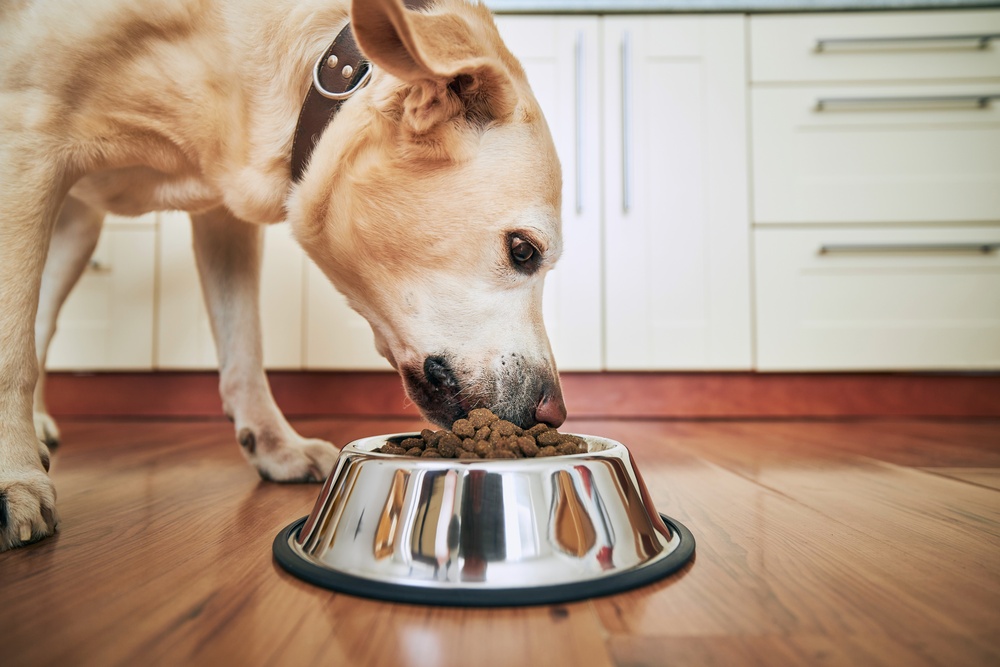
Your dog’s been acting weird lately. Maybe scratching more than usual or turning up their nose at dinner. Could be nothing. Could be everything. Food affects dogs in ways most people never think about, and the wrong diet shows up in strange places.
Energy Levels Tell a Story
Food can make your dog seem not right. The natural behavior of a border collie includes being energetic and attempting to herd anything in motion. If that same dog begins to act sluggish, as if it’s a lazy Sunday, there’s an issue. Bad food drains energy quickly. Cheap proteins burn out quickly. Fillers make dogs crash hard after eating. Then you’ve got the opposite mess. Dogs who can’t sit still, ever. Pacing at 2 AM. Whining at nothing. Acting as if they drank three espressos. That’s often the food talking, too. Usually some additive or ingredient their body hates.
The tricky part? Dogs adapt. They’ll live with feeling crummy because they don’t know any difference. Until you switch their food, and suddenly they’re puppies again.
Coat and Skin Problems You Shouldn’t Ignore
Run your hand through your dog’s fur. Does it feel like silk or straw? Healthy dogs practically glow. Their coats catch light, feel smooth, and don’t leave your couch looking like a hair explosion happened. Bad nutrition shows up fast in fur. First it gets dull. Then brittle. Pretty soon you’re vacuuming twice a day and wondering why your black pants look gray. But shedding’s just the start.
Watch for the scratching. Not the normal “that feels good” scratch behind the ears. The frantic midnight scratching that disturbs everyone. Red patches pop up. Scabs form. Hot spots appear out of nowhere. Those rusty tear stains some dogs get? Food makes them worse. Same with ear gunk. Dogs eating stuff they shouldn’t process spend half their time inflamed and irritated. Their bodies fight back the only way they know how: through their skin.
Digestive Upset Speaks Volumes
Let’s talk about poop. Nobody wants to, but here we are. Good poop is boring poop. Firm, brown, picks up easily. Done. Bad poop tells stories nobody asked to hear. Soft serve consistency? Problem. Rock hard pellets? Also a problem. That in-between mush that sticks to everything? Definitely a problem.
Gas is another fun indicator. All dogs fart. But when your dog clears rooms like a chemical weapon, when even they look offended by their own smell, the food’s not working. Their gut is screaming for help. Some dogs eat grass as if they’re auditioning for a cow documentary. Others throw up yellow foam before breakfast. Both trying to fix what their food broke. The stomach knows what the brain doesn’t; this stuff isn’t working.
Weight Fluctuations and Appetite Changes
Dogs shouldn’t yo-yo diet. Once grown, their weight should stay put. But feed them junk, and watch what happens. Some pack on pounds even eating the recommended amount. Others stay skinny no matter how much you feed them. Neither makes sense until you realize their bodies can’t use what they’re getting.
This is where real dog food changes everything – brands like Nextrition actually put recognizable ingredients in their formulas instead of mystery powder. Dogs’ systems know what to do with actual chicken and vegetables. Suddenly weight stabilizes, begging stops, and mealtime becomes normal again.
Conclusion
Dogs use their bodies to communicate. The significance of every itch, stomach issue, and change in body weight cannot be overlooked. In most cases, their food doesn’t meet their needs. The good news? The right diet typically resolves these issues quickly. Be mindful of your dog’s messages. They likely want something more suitable in their food bowl.