
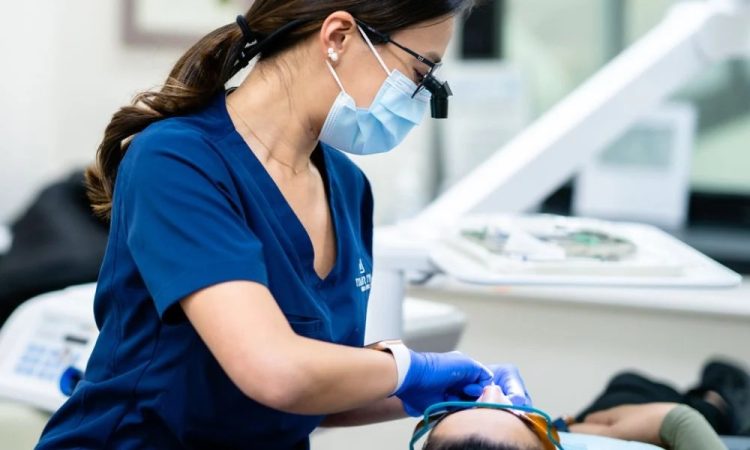
Teeth straightening is not a new idea. In fact, it has been practiced for thousands of years. Even in ancient times, people understood that applying steady pressure on teeth could slowly move them into a better position. If you are considering modern options, Invisalign newington offers an advanced and comfortable way to achieve similar results. Early methods were simple and not very practical, but they showed an important principle that is still used today-gentle and consistent pressure can shift teeth over time. Modern treatments, such as clear aligners, follow the same basic idea but in a much more advanced and comfortable way.
Clear aligners are transparent trays made to fit your teeth perfectly. They work step by step to move your teeth into the desired position. To understand how they work, you can imagine them like frames in an animation. Just like a video is composed of many small frames that create movement, each aligner represents a slight change in tooth position. Every new set of aligners is slightly different, usually moving the teeth by a tiny amount. Over time, these small changes accumulate and create a significant difference in your smile.
These aligners are made using modern technology. Dentists first create a digital model of your teeth using scans or impressions. Then, aligners are designed to match each stage of movement. They are usually made from safe, BPA-free plastic and are shaped to fit comfortably over your teeth. Most treatments take around 6 to 9 months, but the duration can vary depending on the condition of your teeth.
Today, clear aligners have become more accessible than ever. With the help of digital tools and online consultations, many people can start their treatment without frequent clinic visits. This has made the process more convenient and, in some cases, more affordable. Advanced 3D technology also allows dentists to plan treatments more accurately and even show you how your teeth will look after the process is complete.
Comfort is one of the biggest advantages of aligners. Unlike traditional braces, they do not have wires or brackets that can irritate your mouth. Some systems use different types of aligners at each stage. Softer aligners may be used first to gently start the movement, followed by slightly firmer ones to stabilise the teeth in their new position. This step-by-step method ensures safe and controlled movement.
When you start wearing a new set of aligners, you may feel slight pressure. This is typical and indicates that the aligners are functioning. After a few days, the pressure usually reduces as your teeth adjust. This cycle continues with each new set of aligners.
The process of straightening teeth with aligners usually happens in three stages. First is expansion, where space is created in the mouth so teeth can move freely. Next is alignment, where teeth are guided into their correct positions. Finally, there is fine-tuning, where small adjustments are made to achieve the perfect smile.
After completing the treatment, it is important to maintain the results. Teeth can slowly move back to their original position if not supported. This is why retainers are used after treatment. They help keep your teeth in place and protect your new smile.
Clear aligners have made teeth straightening easier, more comfortable, and more convenient. With proper use and care, they can help you achieve a healthy and confident smile.