
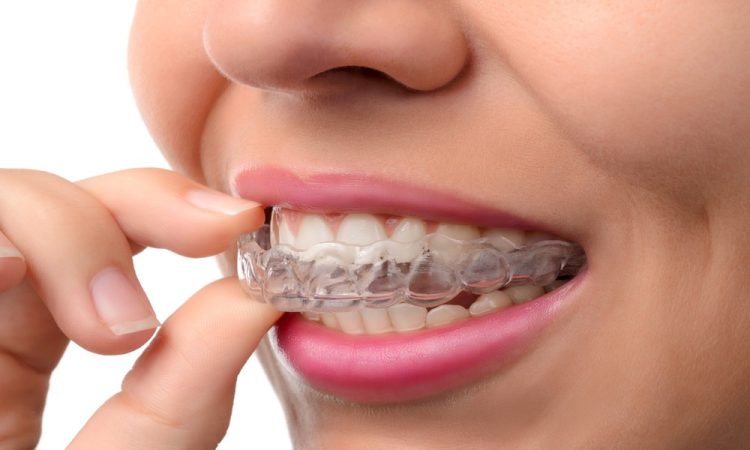
Candid aligners are a modern orthodontic solution designed to straighten teeth using clear, removable trays. They are similar to other clear aligner systems and have gained popularity for offering a more discreet and convenient alternative to traditional braces. These aligners are custom-made to fit each individual’s teeth and gradually shift them into proper alignment over time.
The treatment usually begins with a digital scan or impression of the teeth. Based on this, a series of aligners is created, each slightly different from the previous one. Patients using candid aligners are required to wear the aligners for around 20 to 22 hours a day, removing them only while eating, drinking, or brushing. Over time, this consistent pressure helps move the teeth into the desired position.
Benefits of Candid Aligners
One of the biggest advantages of Candid aligners is their appearance. Since they are made from clear plastic, they are almost invisible when worn. This makes them an ideal choice for adults and teenagers who may feel uncomfortable wearing metal braces.
Another key benefit is convenience. The aligners are removable, which means patients can eat their favourite foods without restrictions. Maintaining oral hygiene is also easier, as brushing and flossing can be done normally without navigating around wires or brackets.
Comfort is another important factor. Candid aligners are smooth and custom-fit, reducing the chances of irritation to the gums and cheeks. Unlike traditional braces, there are no metal parts that can cause discomfort or require frequent adjustments.
Candid also offers remote monitoring in some cases, where dental professionals track progress through regular updates and scans. This reduces the number of in-person clinic visits, making it suitable for people with busy schedules.
Possible Drawbacks to Consider
Despite their benefits, Candid aligners may not be suitable for everyone. They are generally recommended for mild to moderate alignment issues. Severe cases involving complex tooth movement or jaw alignment may still require traditional orthodontic treatments.
Another drawback is the need for discipline. Since the aligners are removable, patients must be consistent in wearing them for the recommended number of hours each day. Failing to do so can delay results or affect the effectiveness of the treatment.
There is also a possibility of misplacing or damaging the aligners, especially since they need to be removed frequently. Replacements may add to the overall cost and extend the treatment time.
Cost can be another factor to consider. While Candid aligners are often priced competitively compared to other clear aligner brands, they may still be more expensive than traditional braces in some cases. Additionally, not all insurance plans may cover this type of treatment.
Some patients may experience slight discomfort or pressure when switching to a new set of aligners. This is normal and usually temporary, but it can still be a concern for first-time users.
Conclusion
Candid aligners offer a modern, comfortable, and nearly invisible way to straighten teeth. They are a great option for individuals seeking flexibility and convenience in their orthodontic treatment. However, they also require commitment and may not be suitable for complex dental issues. By understanding both the benefits and possible drawbacks, patients can make a well-informed decision about whether Candid aligners are the right choice for their smile.