

Introduction
It occurs when bacteria build up on teeth and gums, causing inflammation, bleeding, and, in severe cases, tooth loss. Periodontal therapy is a specialised dental treatment designed to manage and treat gum disease effectively. By addressing the root causes and improving oral health, periodontal therapy helps patients maintain healthy teeth and gums-complementing treatments in cosmetic dentistry for both health and appearance.
Understanding Gum Disease
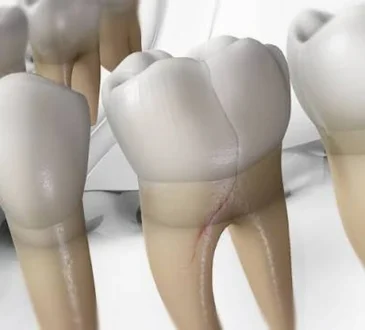
Gum disease begins when plaque, a sticky film of bacteria, accumulates on teeth. If plaque is not removed through regular brushing and flossing, it can harden into tartar, which irritates and inflames the gums. Early-stage gum disease, called gingivitis, causes redness, swelling, and bleeding during brushing. If not treated, gum disease can progress to periodontitis, a serious condition in which the gums recede from the teeth, creating deep pockets that trap bacteria, become infected, and may eventually result in tooth loss. Periodontal therapy focuses on stopping this progression and restoring gum health.
Deep Cleaning Procedures
A key part of periodontal therapy is deep cleaning, commonly referred to as scaling and root planing. During this procedure, dental professionals remove plaque and tartar from above and below the gum line. They also smooth the roots of the teeth to help the gums reattach properly. Deep cleaning eliminates harmful bacteria and reduces inflammation, which is crucial for healing and preventing further damage.
Medications and Antimicrobial Treatments
In addition to deep cleaning, periodontal therapy may include medications to control infection and inflammation. Dentists may apply antimicrobial gels or prescribe oral antibiotics to reduce bacterial growth in gum pockets. These treatments complement mechanical cleaning and help manage symptoms more effectively, particularly in moderate to severe cases of gum disease.
Surgical Treatments
For advanced gum disease, surgical options may be necessary. Procedures such as flap surgery, bone grafts, or tissue regeneration aim to restore damaged gum tissue and support structures around the teeth. Surgery helps reduce deep pockets and improve gum attachment, making it easier to maintain oral hygiene and prevent disease recurrence.
Maintenance and Follow-Up
Periodontal therapy does not end with treatment. Regular maintenance is essential to keep gum disease under control. Dentists recommend routine check-ups, professional cleanings, and proper home care. Patients are encouraged to brush twice daily, floss regularly, and use mouth rinses when needed. This ongoing care ensures long-term gum health and prevents future complications.
Conclusion
Periodontal therapy is a comprehensive approach to treating gum disease. By combining deep cleaning, medications, surgical procedures, and ongoing maintenance, it addresses the causes of gum problems and promotes healing. Early intervention and consistent care are key to preventing tooth loss and maintaining a healthy smile. With proper treatment and regular dental care, patients can manage gum disease effectively and enjoy better oral health for years to come.