
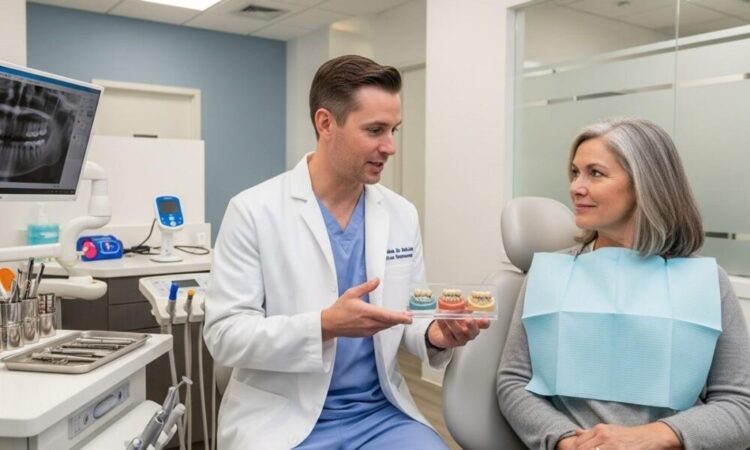
Many people want a straighter smile but hesitate to pursue orthodontic treatment because they are concerned about the appearance or inconvenience of traditional braces. Fortunately, modern orthodontic options have made teeth straightening more comfortable and discreet than ever before. One of the most popular solutions today is Invisalign, a system that uses clear, removable aligners to gradually shift teeth into proper alignment.
For individuals dealing with mild crowding or small gaps between teeth, Invisalign can often be an effective treatment option. Understanding how Invisalign works and the types of dental issues it can address can help patients determine whether it may be suitable for their orthodontic needs.
Understanding Mild Crowding and Gaps
Teeth crowding occurs when there is not enough space in the jaw for teeth to align properly. As a result, teeth may overlap, rotate, or become slightly misaligned. Mild crowding typically involves minor alignment issues where the teeth are only slightly out of position.
Gaps between teeth, also known as spacing issues, occur when there is extra space between teeth. These gaps may develop due to differences in tooth size, missing teeth, or natural jaw structure.
Although mild crowding and gaps may seem like purely cosmetic concerns, they can also affect oral health. Misaligned teeth may be more difficult to clean effectively, increasing the risk of plaque buildup, cavities, and gum disease.
How Invisalign Works
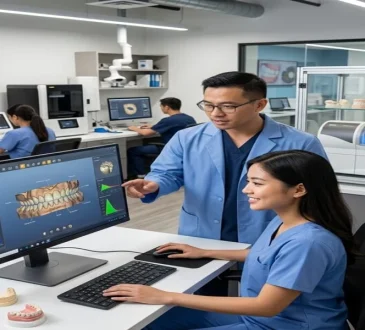
Invisalign uses a series of custom-made clear aligners designed specifically for each patient. These aligners are created using advanced digital imaging technology that maps the movement of teeth throughout the treatment process.
Patients wear each set of aligners for about one to two weeks before switching to the next set. Each new aligner gradually moves the teeth closer to their desired position.
The aligners should be worn for approximately 20 to 22 hours per day, but they can be removed when eating, brushing, or flossing. This flexibility makes Invisalign a convenient option for many adults and teenagers who want to improve their smile without noticeable braces.
Patients considering bold Invisalign clear aligner treatment often appreciate that the aligners are nearly invisible and comfortable to wear.
Invisalign for Mild Crowding
Mild crowding is one of the most common orthodontic concerns treated with Invisalign. Because clear aligners apply controlled pressure to specific teeth, they can gradually guide crowded teeth into better alignment.
In many cases, Invisalign can successfully correct mild crowding by:
- Shifting overlapping teeth into proper positions
- Creating more balanced spacing between teeth
- Improving overall bite alignment
Treatment timelines for mild crowding may vary depending on the complexity of the case, but many patients see noticeable improvements within several months.
Invisalign for Small Gaps Between Teeth
Invisalign can also be effective for closing small gaps between teeth. The aligners gently guide teeth closer together until the spaces are minimized or eliminated.
Spacing issues often occur in the front teeth, making them more visible when smiling or speaking. Invisalign treatment can gradually close these gaps while maintaining a natural-looking smile throughout the process.
By improving alignment, Invisalign may also help reduce the risk of food particles becoming trapped between widely spaced teeth.
Advantages of Invisalign Treatment
Many patients choose Invisalign because of the convenience and comfort it offers compared to traditional braces.
Some of the key benefits include:
- Clear aligners that are less noticeable than metal braces
- Removable trays that allow normal eating habits
- Easier brushing and flossing since aligners can be removed
- Smooth plastic aligners that reduce irritation to the mouth
These advantages make Invisalign especially appealing for adults who want orthodontic treatment without significant lifestyle changes.
When Invisalign May Not Be Suitable
While Invisalign can address many orthodontic concerns, it may not be the best option for every case. Severe crowding, complex bite issues, or significant tooth rotations may require alternative orthodontic treatments.
A dental professional will evaluate the patient’s teeth and determine whether Invisalign can effectively achieve the desired results.
Patients seeking orthodontic care often consult clinics such as Cambridge Centre Dental Care to receive a comprehensive assessment and personalized treatment recommendations.
Maintaining Results After Treatment
After completing Invisalign treatment, patients usually receive retainers to help maintain the new alignment of their teeth. Wearing retainers as directed is important because teeth naturally tend to shift over time.
Maintaining good oral hygiene and attending regular dental checkups can also help preserve the results of orthodontic treatment.
Final Thoughts
Invisalign offers a modern and discreet solution for correcting mild crowding and small gaps between teeth. By using a series of custom clear aligners, this orthodontic treatment gradually moves teeth into better alignment while allowing patients to maintain their normal routines.
For individuals seeking a comfortable and nearly invisible way to improve their smile, Invisalign may provide an effective alternative to traditional braces. A consultation with a qualified dental professional can help determine whether this treatment is the right choice for achieving a healthier and more confident smile.