
Schoolwork can reveal a lot about a child’s vision. A child may not always say, “I cannot see clearly,” but small changes in reading, writing, copying from the board, or using a tablet may show that something is wrong. Parents and teachers who understand the Early signs of Myopia can spot possible vision changes earlier and arrange an eye check before the problem affects learning confidence.
Myopia, also called short-sightedness, means a child can usually see nearby objects clearly but struggles to see things far away. This can make school more difficult, especially when lessons involve looking between books, screens, and the classroom board.
Why Myopia Often Shows Up in School
Children use their eyes all day in school. They read, write, draw, copy notes, look at presentations, and move between near and far tasks. If their distance vision is blurry, they may try to adjust without knowing why.
Some children may move closer to the board. Others may avoid tasks that feel tiring. These changes can look like poor attention, carelessness, or lack of interest, when the real issue may be vision.
This is why the early signs of Myopia should not be ignored. The sooner parents notice them, the easier it is to get proper guidance.
1. Squinting at the Board or Screen
Squinting is one of the most common signs of possible myopia. A child may narrow their eyes when looking at the board, the classroom clock, a projector screen, or signs from a distance.
Squinting may help them see a little more clearly for a short time, but it is not a solution. If your child often squints while doing schoolwork or watching lessons, it may be time for an eye examination.
2. Copying Mistakes From the Board
A child with myopia may copy the wrong words, miss numbers, or leave gaps in their notes. This can happen because the board looks blurry, especially from the back of the classroom.
You may notice:
- Missing letters or numbers
- Incomplete notes
- Asking classmates what is written on the board
- Taking longer to copy homework instructions
- Complaining that the teacher writes too small
These mistakes may not always be due to poor focus. They may be signs that your child is struggling to see clearly from a distance.
3. Moving Closer to Books, Tablets, or the TV
Children with myopia often hold books, worksheets, or devices very close to their face. They may also sit close to the TV or lean forward when using a laptop.
Because near objects are easier to see, this habit can feel natural to them. However, if it happens often, parents should take note.
A good study setup can help reduce eye strain. Make sure your child has proper lighting, a comfortable chair, and regular breaks from close-up tasks.
4. Frequent Headaches or Tired Eyes
Eye strain can happen when a child keeps trying to focus through blurry vision. After school, homework, or screen-based learning, they may complain of headaches, tired eyes, or sore eyes.
Some children may rub their eyes often. Others may lose interest in reading or homework because it feels uncomfortable.
If headaches keep happening after visual tasks, do not assume it is just tiredness. It may be connected to their eyesight.
5. Losing Focus During Lessons
A child who cannot see clearly may seem distracted in class. They may stop following the lesson, avoid answering questions, or look away during board work.
This can be confusing for parents because the child may still read books well at home. Since myopia affects distance vision more than near vision, they may appear fine during close-up tasks but struggle in the classroom.
This is why school behaviour can be an important clue.
6. Avoiding Sports or Outdoor Activities
Some children with blurry distance vision may feel less confident during outdoor games, ball sports, or physical education. They may find it hard to judge distance, follow moving objects, or see instructions from far away.
Outdoor time is still important for children’s eye health. Regular time outside, balanced with healthy study habits, may help support better visual development.
What Parents Can Do at Home
Parents do not need to diagnose myopia at home. However, they can watch for patterns and take action early.
Helpful steps include:
- Ask your child if the board looks clear
- Check whether they hold books or screens too close
- Notice if they squint or rub their eyes often
- Encourage regular breaks during reading and screen use
- Make outdoor play part of the weekly routine
- Arrange an eye check if symptoms continue
It is also useful to speak with your child’s teacher. Teachers may notice if a child is moving closer to the front, copying slowly, or struggling to see classroom materials.
When to Book an Eye Check
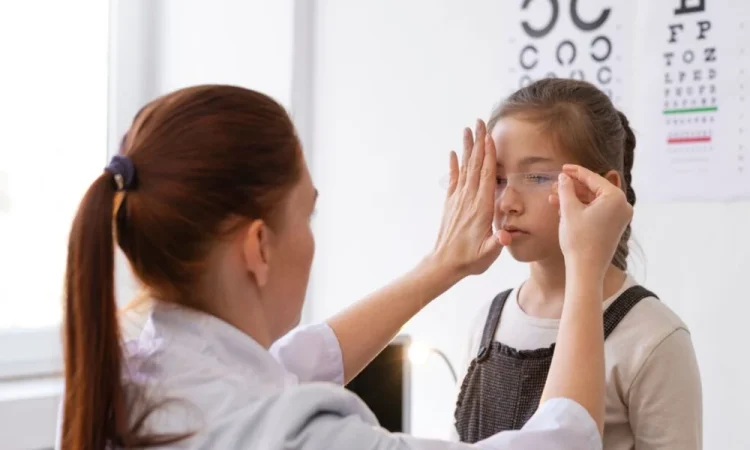
Book an eye check if your child often squints, complains about blurry distance vision, has frequent eye strain, or shows changes in schoolwork. Even mild myopia can be missed if a child does not know how to explain what they are seeing.
In Singapore, Spectacle Hut supports children’s myopia care with child-friendly eye examinations, lifestyle and risk assessments, personalised myopia management options, and follow-up reviews for children up to age 16.
A proper check can show whether your child needs glasses, myopia management support, or simple changes to daily habits.
Clearer Vision Can Support Better Learning
Schoolwork is not only about effort. Clear vision also matters. When a child can see the board, read instructions, and move between books and screens comfortably, learning can feel less stressful.
Parents who notice early myopia signs in children can take simple, timely steps to protect their child’s vision. Early care may help children feel more confident in class, at home, and during everyday activities.