

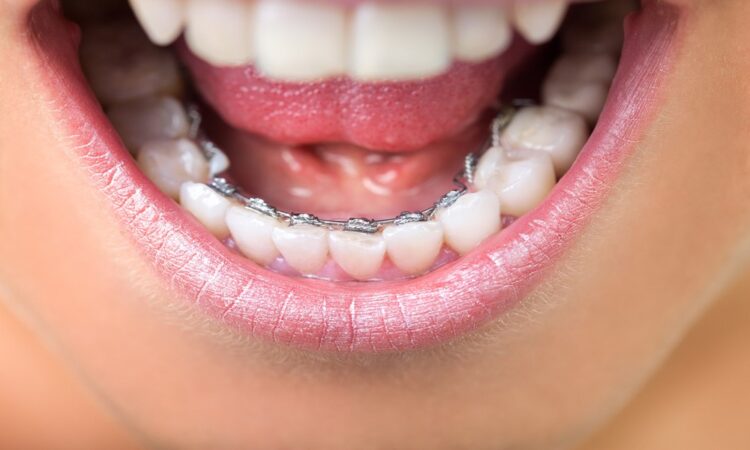
When people hear the word “braces,” they usually imagine metal brackets sitting front and center on the teeth. That familiar look. The noticeable wires. The shiny smile in school photos.
But lingual braces? They change the whole picture.
Lingual braces are not attached to the front part of the teeth, but to the back of them, the one that is facing the tongue. When you smile or make conversation, they are just practically invisible. It is orthodontic treatment that is silent backstage.
Best practitioners refer to lingual braces as a hidden way to achieve the desired results without necessarily showing traditional braces. In case you are in search of an effective Meridian orthodontist, you must book your appointment at Alexander and Hoffman Orthodontics. This clinic offers lingual treatment as an extension of their advanced orthodontic services. An experienced Meridian orthodontist will take a thorough look at your bite, spacing, and tooth arrangement before advising you on the suitability of lingual braces.
How Lingual Braces Actually Work
Lingual brace science is not novel; it is the positioning that varies. They operate on the same orthodontic principles as regular braces. Here is the basic process:
They are also located close to the tongue, making the adjustment period short. Patients initially experience changes in speech, particularly with certain sounds.
This, in most cases, is enhanced within a few weeks as the mouth gets used to it:
- Custom brackets are designed to fit the inner surfaces of your teeth
- Brackets are bonded to the back, not the front
- A connecting arch-wire applies gentle, steady pressure
- Teeth gradually shift into proper alignment
Orthodontic movement happens because controlled pressure stimulates bone remodeling. Over time, teeth reposition themselves into healthier alignment. Lingual braces simply accomplish this from the inside.
What Makes Them Unique?
Lingual braces are highly customized. The inner surfaces of teeth are not flat, so each bracket must be precisely crafted for an exact fit.
Key features include:
- Hidden placement behind the teeth
- Fully customized bracket systems
- Effective for many alignment concerns
- Subtle appearance during everyday life
Nonetheless, extremely complicated bite issues can be corrected with other means. This is why it is important to consult an experienced Meridian orthodontist before treatment.

Who Is a Good Candidate?
Lingual braces can treat a variety of orthodontic issues, including:
It is crucial to be in good oral health. The brackets are located behind the teeth, and brushing and flossing may require additional effort. Your orthodontic team will provide you with comprehensive guidelines to maintain the health of your teeth during the treatment period.
Comfort and Maintenance
Like all orthodontic appliances, lingual braces require care and attention.
Patients may experience:
- Mild tongue irritation early on
- Increased awareness of the brackets
- A brief adjustment period for speech
Lingual braces provide a strong and unobtrusive method of bracing teeth. A combination of established orthodontic mechanics and a virtually invisible appearance makes them both reassuring and effective for patients during treatment and in the long term. Top of Form