
Circumcision is an important milestone for many Filipino boys and families. In the Philippines, it is often associated with growing up, personal hygiene, family tradition, and cultural practice. However, deciding when to have circumcision should involve more than simply following what friends or relatives are doing.
Parents and young patients should understand what the procedure involves, how to prepare properly, and what recovery may look like. Choosing a qualified healthcare professional and following the instructions provided before and after circumcision can help make the experience safer and more comfortable.
This guide explains the important things families should know when planning circumcision, from choosing the right time to managing the healing period.
What Is the Best Age for Tuli?
There is no single age that is automatically best for every child. The appropriate timing can depend on the child’s health, physical development, comfort level, family preferences, medical needs, and the advice of a healthcare professional.
In the Philippines, many boys traditionally undergo circumcision during the school-age or early teenage years. School vacations are often considered a convenient period because children may have more time to rest before returning to classes and physical activities.
However, age alone should not determine when circumcision takes place.
Consider the Child’s Readiness
Older children should understand, in age-appropriate language, what is going to happen. Parents can explain that there may be temporary discomfort and that proper wound care will be necessary afterward.
Avoid creating unnecessary fear. Clear and simple explanations can help a child feel more prepared.
Parents should also inform the healthcare provider about existing medical conditions, allergies, medications, previous reactions to anesthesia, or problems involving bleeding or wound healing.
Choosing a Safe Provider for tuli Philippines
One of the most important decisions is choosing where the tuli Philippines will be performed.
Although circumcision is commonly practiced throughout the country, it is still a medical or surgical procedure that requires proper hygiene, appropriate instruments, correct technique, and professional aftercare.
Look for a licensed healthcare professional or reputable medical facility rather than selecting a provider based only on convenience or price.
Ask Important Questions Before the Appointment
Before scheduling the procedure, parents can ask:
- Who will perform the circumcision?
- What circumcision method will be used?
- What type of anesthesia or pain control is available?
- How should the child prepare beforehand?
- How should the wound be cleaned afterward?
- When can the child return to school?
- When can sports and other physical activities resume?
- What warning signs require medical attention?
Different circumcision techniques may have different preparation and recovery instructions. The healthcare provider’s directions should therefore take priority over general advice found online.
How to Prepare Before Circumcision
Good preparation can help reduce unnecessary stress on the day of the procedure.
Parents should make sure the child gets enough rest and follows any eating or drinking instructions given by the clinic or doctor. Fasting instructions can be particularly important when certain types of anesthesia are planned.
Do not assume that fasting is always required. Follow the specific instructions provided by the healthcare facility.
Prepare Comfortable Clothing
Loose-fitting shorts, pants, or underwear may help reduce friction and discomfort after circumcision. Clothing that presses tightly against the surgical area may feel uncomfortable during the first few days.
It can also help to prepare a comfortable resting area at home before leaving for the appointment.
Discuss Medicines With the Provider
Tell the healthcare professional about medicines or supplements the child currently takes.
Parents should not automatically give medicines before or after circumcision unless they have been instructed to do so. Pain-relief recommendations may depend on the child’s age, weight, health, and procedure.
What Happens During the tuli procedure?
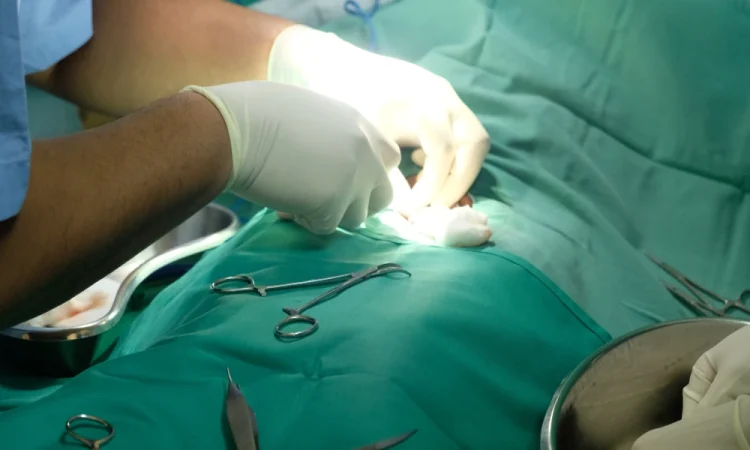
Tuli procedure involves removing the foreskin that covers the head of the penis. The exact technique can vary depending on the patient’s age, the provider’s preferred method, and the medical setting.
Pain control or anesthesia is generally used according to the patient’s needs and the type of procedure being performed.
After circumcision, the healthcare professional may provide instructions regarding dressings, cleaning, medications, bathing, clothing, and physical activity.
Parents should make sure they understand these instructions before leaving the clinic.
If anything is unclear, ask the provider to explain it again. Proper aftercare is an important part of preventing avoidable problems during healing.
What to Expect During Recovery
Some soreness, tenderness, swelling, or bruising can occur following circumcision. Minor swelling and discomfort may continue for several days or longer depending on the procedure and the individual patient.
The complete healing period varies. Patients should not assume that feeling better means the wound has completely healed.
Keep the Area Clean
Follow the healthcare provider’s instructions for bathing and wound care.
Instructions about when to shower or bathe can differ between medical facilities and surgical techniques, so the advice provided by the treating professional should be followed. Healthcare guidance commonly emphasizes keeping the surgical area clean and avoiding products that may irritate the healing wound.
Wash your hands before touching or caring for the affected area.
Avoid applying herbal preparations, powders, creams, antiseptics, or other products unless they have been recommended by the healthcare provider.
Limit Strenuous Activities
Rest is important during the early recovery period.
Activities that create pressure, friction, or repeated movement around the surgical area may need to be temporarily avoided. These can include cycling, running, contact sports, swimming, and strenuous exercise.
Healthcare guidance commonly recommends temporarily limiting sports and similar activities after circumcision, although the exact timeframe depends on the patient’s recovery and the provider’s instructions.
Children should return to normal activities gradually rather than immediately resuming everything once the initial discomfort disappears.
Warning Signs Parents Should Watch For
Parents should monitor the healing area carefully.
Contact the healthcare provider promptly if there is worsening redness, increasing swelling, pus or unusual discharge, persistent fever, severe or increasing pain, continued bleeding, or concerns that the wound is not healing properly.
Difficulty passing urine also requires prompt medical attention.
Do not attempt to treat a possible infection or serious complication at home without professional medical advice.
Making Tuli a Safer and More Comfortable Experience
Circumcision is common in Filipino culture, but being common does not mean preparation and medical safety should be overlooked.
Parents should focus on choosing a qualified provider, preparing the child properly, understanding the method being used, and following the healthcare professional’s aftercare instructions carefully.
There is also no need to pressure a child simply because classmates or relatives are undergoing circumcision at the same time. Health, readiness, safety, and professional medical advice should remain the priorities.
With appropriate preparation and responsible wound care, families can approach circumcision with greater confidence and a clearer understanding of what to expect before, during, and after the procedure.