

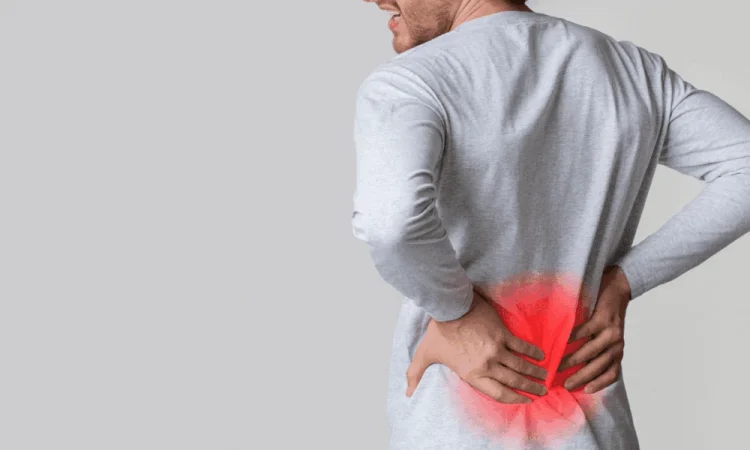
That nagging ache between the shoulder blades is something many people know well. It may feel like a burning spot, a tight knot or a dull pressure that gets worse as the day goes on. While pain between the shoulder blades is usually caused by muscle strain, it is worth understanding the possible reasons so you can treat it properly.
The Anatomy Behind the Pain
The area between your shoulder blades contains several muscles that hold your shoulders back and support the upper spine. The main ones are the rhomboid muscles, the middle trapezius and the deeper muscles along the thoracic spine. These muscles work constantly to support your arms and head, so they are prone to overuse.
Common Causes
Poor posture. Hunching over a laptop or phone pulls the shoulders forward and stretches the muscles between the shoulder blades. Over time they become tired and sore.
Muscle strain. Lifting heavy objects, carrying bags on one shoulder or repetitive movements such as painting overhead can strain the upper back.
Sleeping position. A pillow that is too high or too flat, or sleeping on your stomach, can leave the upper back twisted for hours.
Stress. Many people hold tension in the shoulders and upper back without realising it. Tight muscles reduce blood flow and create trigger points that feel like knots.
Spinal issues. Disc problems or arthritis in the neck or upper spine can refer pain to the area between the shoulder blades.
When It Could Be Something Else
Occasionally, pain in this region comes from organs rather than muscles. Heart problems, gallbladder issues and lung conditions can all cause pain here. Seek urgent medical help if the pain comes with chest pressure, shortness of breath, sweating, nausea, or pain spreading to the jaw or arm. Also see a doctor if pain follows an injury or comes with fever or unexplained weight loss.
Relief Tips
- Heat and ice. Ice can calm a fresh strain in the first couple of days, while heat helps relax tight muscles afterward.
- Gentle stretches. Hug yourself and round your upper back, or clasp your hands in front and push them away to open the space between the shoulder blades.
- Strengthen. Rows with a resistance band and shoulder blade squeezes build the muscles that support good posture.
- Fix your setup. Raise your screen to eye level, keep your keyboard close and take regular breaks from sitting.
- Use a massage ball. Lean against a wall with a tennis ball between your back and the wall and roll slowly over tender spots.
- Get hands-on help. Booking a 출장안마 therapist to visit your home is a convenient way to release stubborn upper back knots without travelling after a long day.
Long-Term Prevention
Stay active, vary your posture throughout the day, carry bags evenly and manage stress with exercise or relaxation techniques. Most upper back pain improves within a few weeks with simple care.
If it does not, or if it keeps returning, a physiotherapist or doctor can identify the underlying cause and build a plan to keep it away for good.