
Key Takeaways
- Daily routines and shared use shape which chair features feel practical over time.
- Measuring space early helps avoid layout issues once large seating arrives at home.
- Clear controls and adjustability keep sessions easy to manage during busy days.
- Long-term value comes from regular use, simple upkeep, and realistic expectations.
Introduction
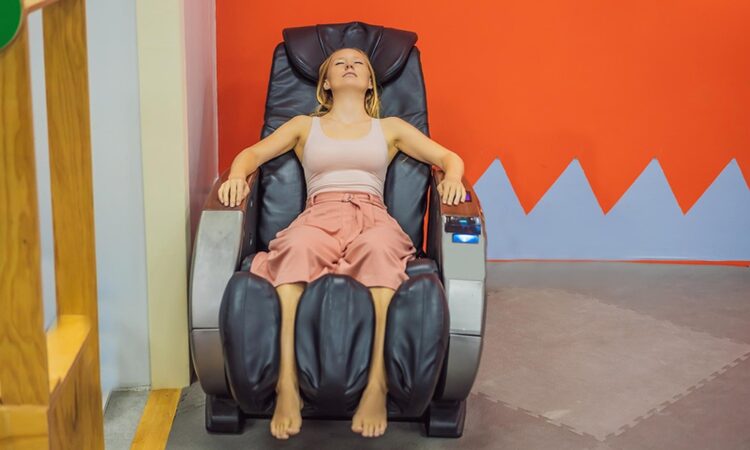
Buying home comfort equipment brings simple, practical questions. Space, daily use, and long-term fit usually matter most. First-time buyers get clarity by seeing how a quality massage chair fits everyday routines, not how it looks in a showroom. Focusing on practical details early helps avoid buying something that does not suit the home.
How to Think About Everyday Use at Home
Matching Features to Daily Habits
Daily routines decide how a chair gets used. Evening wind-downs, short breaks, and shared use all affect which features feel useful. Short session settings suit busy days and make use easier to manage. When considering a quality massage chair, clear controls and smooth start-stop functions matter during normal routines.
Placement matters just as much. Living rooms, bedrooms, and study corners all limit size and movement in different ways. Measuring space before delivery helps avoid rearranging furniture later. Buyers comparing full-size seating with a back massager in Singapore notice how fixed placement changes daily use.
Comfort Coverage Without Guesswork
Coverage shows which body areas receive movement during use. Backs, shoulders, and lower body areas react differently after long days. Adjustable zones help avoid missed areas once sessions start. Simple, responsive controls show where a quality massage chair becomes useful during regular use.
Buyers also compare full seating systems with separate tools. Daily habits affect whether a fixed setup or a portable option works better. For some households, portability shapes choices around a back massager in Singapore, while others prefer an all-in-one chair that stays in one place.
Practical Considerations Before Buying
Space, Noise, and Power Needs
Large equipment affects how a room works day to day. Noise matters during shared evenings, and power points limit where a chair can sit. Checking plug access and recline space helps avoid awkward adjustments later. Low noise levels and steady placement shape daily use once a quality massage chair sits in the room.
Specifications matter when looking at compact options. Buyers used to smaller tools may overlook clearance and power needs, including those familiar with a back massager in Singapore. Reading specifications helps match showroom impressions with real home conditions.
Build Quality and Maintenance Awareness
Materials influence how a chair feels over time. Upholstery, padding density, and frame stability affect comfort consistency after repeated use. Maintenance expectations also matter, especially for households planning frequent sessions. Durable materials simplify upkeep and keep daily use straightforward.
Warranties and service access deserve attention during early research. Knowing how support works, where servicing happens, and what parts fall under coverage reduces uncertainty after purchase. These details shape long-term satisfaction beyond headline features.
Understanding Value Without Hype
Price, Longevity, and Realistic Expectations
Pricing reflects materials, design, and expected lifespan. Higher cost does not always suit every home. First-time buyers benefit from matching budget with real usage and avoiding unnecessary complexity. Long-term value comes from regular use, not novelty.
Comparisons with alternatives like a back massager in Singapore help clarify buying decisions. One option offers focused use with little commitment, while the other becomes a fixed part of the home. Clear understanding here helps reduce regret later.
Sharing and Adjustability
Households often share seating equipment. Adjustable height, intensity, and zone settings help accommodate different users without repeated setup. Memory functions simplify switching between preferences, making shared use smoother. Multiple user profiles fit varied needs without added complexity.
Testing adjustability during demos or trials shows how intuitive controls feel. Smooth transitions between settings reduce friction during everyday use.
Conclusion
Choosing home comfort equipment works best when decisions match daily habits, space limits, and realistic expectations. For first-time buyers, clear thinking around features, upkeep, and shared use reduces stress. Reviewing how a quality massage chair differs from options like a back massager in Singapore helps before committing. Contact OTO Wellness today to discuss options that suit your home layout and long-term use.