

Vitamin C is an important nutrient that children need as they grow and develop. Many parents think of vitamin C only when their child starts feeling sick, but this vitamin has many other benefits. Liquid Vitamin C for kids can be an easy option for families who have children who are picky eaters or have trouble getting enough vitamin C from food, however, a more popular option known as Kids Lipsomal Vitamin C has emerged. From supporting the immune system to helping the body use iron, vitamin C plays an important role in a child’s daily health.
Why Vitamin C Is Important for Kids
Supports Healthy Growth and Development
Vitamin C is needed for normal growth and development. It helps the body make collagen, a protein that supports the skin, bones, teeth, blood vessels, and other body tissues. Children go through many changes as they grow, so getting enough vitamin C is an important part of a healthy diet.
Vitamin C also works as an antioxidant. Antioxidants help protect the body’s cells from damage caused by free radicals. This is one reason why vitamin C is often included in products made to support children’s overall wellness.
Helps Support the Immune System
Children are exposed to many germs during their daily activities. They play outside, attend school, spend time with friends, touch shared objects, and may not always remember to wash their hands. Their immune systems are also still developing as they grow.
Vitamin C helps support the normal function of the immune system. However, it is important to remember that vitamin C is not a cure for colds or other illnesses. A balanced diet, enough sleep, good hygiene, physical activity, and regular medical care are also important for keeping children healthy.
Helps the Body Absorb Iron
Vitamin C and iron work well together. Iron is important for children’s growth and development, and it helps the body make healthy red blood cells. Vitamin C can help the body absorb iron from plant-based foods.
For example, parents can serve beans with tomatoes, tofu with bell peppers, or spinach with fresh fruit. Adding a vitamin C-rich food to meals that contain plant-based iron can help the body make better use of the iron.
How Much Vitamin C Do Children Need?
The amount of vitamin C a child needs depends on age. General daily recommendations include:
- Children 1–3 years old: 15 mg per day
- Children 4–8 years old: 25 mg per day
- Children 9–13 years old: 45 mg per day
Children can usually get vitamin C through a balanced diet. Supplements may be useful when a child has difficulty getting enough nutrients from food, but parents should choose products carefully and follow the recommended serving size.
Best Sources of Vitamin C for Children
Fruits Rich in Vitamin C
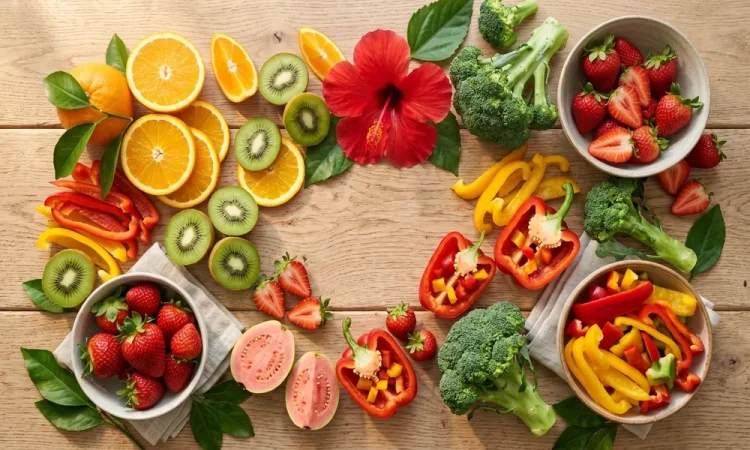
Citrus fruits are well-known sources of vitamin C, but children have many other choices. Oranges, grapefruit, lemons, and limes can add vitamin C to a child’s diet. Strawberries, kiwi, cantaloupe, and guava are also good choices.
Parents can make fruit more appealing by serving different colors and textures. Fresh fruit can be added to breakfast, packed into a school lunch, or served as a simple snack.
Vegetables That Provide Vitamin C
Vegetables can also help children meet their daily vitamin C needs. Bell peppers, broccoli, and tomatoes are some useful choices. Red, yellow, orange, and green bell peppers can also make meals more colorful and interesting for children.
Simple food combinations can make it easier to add vitamin C to meals. Try beef with broccoli, tofu with bell peppers, eggs with tomatoes, or a spinach dish served with fresh fruit.
What If a Child Is a Picky Eater?
Getting children to eat a wide range of fruits and vegetables can sometimes be difficult. Some children may refuse certain foods because of their taste, smell, color, or texture. Busy family schedules can also make it harder to prepare balanced meals every day.
This is where a children’s vitamin supplement may be helpful. Liquid Vitamin C for kids can be an option for children who have difficulty taking tablets or chewing gummies. Liquid supplements can also be easier for parents to include in a child’s routine when used according to the product instructions.
Parents should remember that supplements are meant to support a healthy diet, not replace nutritious foods. If a child has a limited diet or parents are concerned about nutrient intake, it is a good idea to speak with a pediatrician or other qualified health professional before starting a supplement.
Consider a Children’s Multivitamin
For children who have trouble getting a variety of nutrients from their diet, a children’s multivitamin may be another option. Many children’s multivitamins contain vitamin C along with other vitamins and minerals.
When choosing a supplement, parents should check the nutrition label and serving instructions. It is also important not to give a child more than the recommended amount unless advised by a healthcare professional.
Protect Vitamin C During Cooking
The way food is prepared can affect its vitamin C content. Long cooking times and high heat can reduce the amount of vitamin C in some foods.
To help keep more vitamin C in food, parents can choose quick cooking methods when possible. Lightly cooking vegetables or serving suitable fruits and vegetables fresh can help provide more of their natural nutrients.
Make Vitamin C Part of a Healthy Routine
The best approach is to make vitamin C part of a child’s normal eating habits instead of focusing on it only when the child feels unwell. Offer a variety of fruits and vegetables throughout the week and include foods that provide iron.
For children who struggle to meet their nutritional needs through food alone, a suitable children’s vitamin supplement may provide extra support. Always follow the product’s serving instructions and talk with a healthcare professional if you have questions about your child’s nutrition.
Vitamin C is just one part of good childhood nutrition. A balanced diet that includes fruits, vegetables, protein, whole grains, healthy fats, and important minerals can help give children the nutrients they need as they grow.