
The modern wellness world is built on a very optimistic assumption: that everyone has unlimited time, energy, and enthusiasm to reinvent themselves every Monday morning.
Buy the planner.
Start the challenge.
Wake up at 5 AM.
Become the kind of person who says things like “I’m obsessed with celery juice.”
Meanwhile, many women over 40 are simply trying to make it through the week without forgetting why they walked into the kitchen.
That disconnect matters, especially when it comes to weight loss.
Because for a growing number of women in San Antonio, the struggle is no longer about understanding what to do. They already know the basics. Eat better. Move more. Sleep properly. Reduce stress if possible-which is adorable advice in this economy.
The real issue is that the body changes, and eventually, motivation alone stops being enough.
Why Weight Loss Starts Feeling Unreasonably Difficult
One of the most common frustrations women describe after 40 is how dramatically the body’s response to effort changes.
The same routines that once produced visible results suddenly barely move the needle. A weekend of indulgence now requires a week of recovery. Energy fluctuates unpredictably, cravings become harder to manage, and stubborn weight seems determined to stay exactly where it is.
This isn’t imagined.
Hormonal changes, insulin resistance, slower metabolism, reduced muscle mass, and chronic stress all begin influencing how the body stores fat and regulates hunger. Add inconsistent sleep and elevated cortisol into the mix, and the body becomes remarkably efficient at holding onto weight.
Unfortunately, most traditional dieting advice still treats this like a discipline issue instead of a biological one.
Why Medications Like Tirzepatide Are Getting Attention
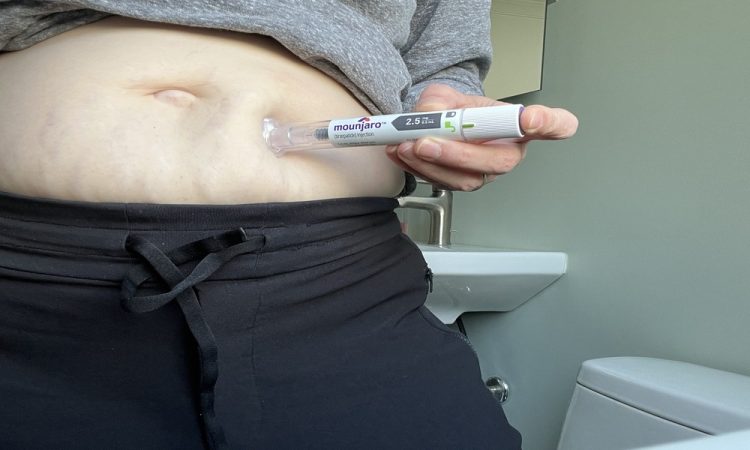
That shift in understanding is exactly why more women are exploring options like Tirzepatide in San Antonio.
Originally developed for managing type 2 diabetes, Tirzepatide became widely recognized after patients experienced substantial weight loss while using it. Unlike traditional dieting methods that rely almost entirely on restriction, Tirzepatide works by helping regulate appetite, blood sugar, and feelings of fullness.
In practical terms, many patients report that food stops dominating their thoughts quite so aggressively.
Meals become easier to manage. Portion sizes feel more natural. Cravings lose some of their intensity. For many women, this is the first time healthy eating feels sustainable rather than exhausting.
And frankly, sustainability is far more useful than short-term intensity.
The Emotional Side of Weight Loss Nobody Talks About Enough
Weight struggles are rarely just physical.
After years of trying different programs with inconsistent results, many women begin blaming themselves. They assume they lack discipline, consistency, or motivation when, in reality, their biology has changed significantly over time.
Medical weight loss can be powerful not only because of the physical results, but because it removes some of that constant internal battle.
Instead of spending every day negotiating with hunger and cravings, patients often describe feeling calmer and more in control around food.
That psychological relief matters more than most people realize.
A Smarter, More Realistic Approach
What’s happening in San Antonio reflects a larger shift in how people think about health and weight management.
Women are becoming less interested in punishing routines and more interested in sustainable strategies backed by medical understanding. They are recognizing that long-term weight management often requires more than determination alone.
And perhaps that’s the most refreshing part of this entire conversation.
For once, the goal is no longer to fight the body into submission.
It’s to finally start working with it.