

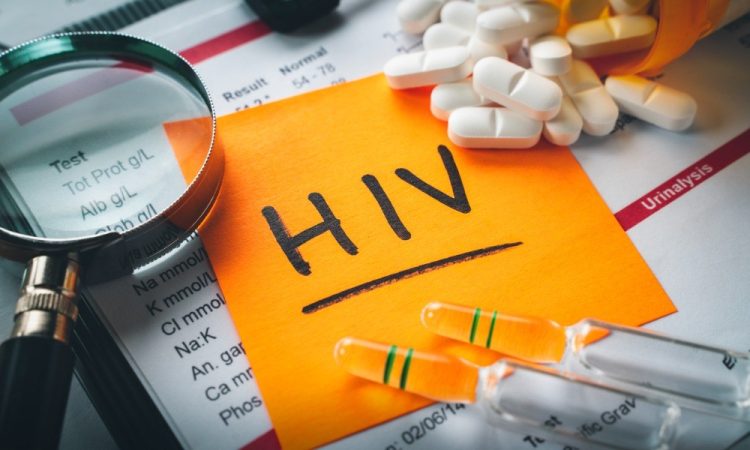
Preventing the spread of Human Immunodeficiency Virus (HIV) remains a major priority in healthcare, and nurses play a central role in this effort. Through patient education, clinical interventions, and community outreach, nurses can significantly reduce transmission rates and improve long-term public health outcomes.
At the same time, maintaining clinical competency requires ongoing professional development through continuing education courses for nurses. Many professionals complete online CEUs or registered nurse CEU online programs to stay updated on evidence-based HIV prevention practices while meeting requirements for CEUs for nursing license renewal.
Understanding HIV Transmission and Risk Awareness
Effective prevention begins with understanding how HIV spreads. The virus is transmitted through infected bodily fluids such as blood, semen, vaginal secretions, and breast milk. Common risk factors include unprotected sexual contact, sharing needles, and lack of regular testing.
Modern nursing education programs-especially flexible nursing CEU online no test options-often emphasize these foundational concepts to ensure nurses can quickly apply them in practice. These learning formats, sometimes available as fast CEUs, help busy professionals stay current without disrupting clinical schedules.
Safe Sexual Practices and Patient Education
One of the most effective HIV prevention strategies is promoting safe sexual behavior. Nurses should educate patients on consistent condom use, routine STI screening, and risk reduction strategies.
These topics are frequently included in continuing education for nursing license renewal programs because they directly impact community health outcomes. Nurses trained through easy nursing CEUs or similar formats are better equipped to communicate sensitive topics clearly and without stigma.
LSI concepts such as sexual health counseling, STI prevention, and risk-reduction education are essential in this area of care.
Pre-Exposure Prophylaxis (PrEP)
Pre-exposure prophylaxis (PrEP) is a highly effective biomedical tool that reduces the risk of HIV infection in high-risk individuals. Nurses must understand how to identify eligible patients, educate them about adherence, and monitor ongoing use.
Many online CEUs and nursing CEU programs include modules on antiretroviral prevention strategies, helping nurses stay aligned with current clinical guidelines. These courses support professional development while strengthening real-world patient care skills.
Post-Exposure Prophylaxis (PEP)
Post-exposure prophylaxis (PEP) is an emergency intervention that must be started within 72 hours after potential HIV exposure. It is commonly used in cases of occupational exposure, such as needle-stick injuries, or unprotected sexual contact.
Nurses must be trained to act quickly, assess exposure risk, and ensure patients complete the full treatment course. This topic is often covered in CEUs for nursing license renewal, as it is critical for both patient safety and healthcare worker protection.
Infection Control and Standard Precautions
In healthcare settings, strict infection control practices are essential to prevent HIV transmission. Nurses should consistently follow standard precautions, including proper hand hygiene, safe needle disposal, and use of personal protective equipment (PPE).
These practices are core components of many continuing education courses for nurses, as they reinforce safety standards across all clinical environments. Ongoing training helps reduce occupational risks and improve patient safety outcomes.
Harm Reduction Strategies in Community Care
Nurses working with vulnerable populations, including individuals who use injectable drugs, should be familiar with harm reduction approaches. These include supporting needle exchange programs, promoting safe injection practices, and connecting patients to addiction treatment services.
Such topics are often included in flexible online CEUs, allowing nurses to expand their knowledge in community health without added scheduling pressure. This approach helps reduce stigma while improving engagement with at-risk populations.
Routine HIV Testing and Early Detection
Early detection of HIV is essential for preventing further transmission and initiating timely treatment. Nurses should encourage routine screening, especially among high-risk groups, and provide appropriate pre- and post-test counseling.
Many registered nurse CEU online programs emphasize HIV screening guidelines and communication techniques. This ensures nurses are well-prepared to guide patients through testing processes with sensitivity and accuracy.
Early diagnosis also allows patients to begin antiretroviral therapy, which can suppress viral load and significantly reduce transmission risk.
Preventing Mother-to-Child Transmission
Nurses in maternal and child health settings play a vital role in preventing vertical transmission of HIV. This includes ensuring early prenatal testing, supporting antiretroviral therapy adherence, and educating mothers about safe delivery and feeding practices.
This subject is commonly included in continuing education for nursing license renewal programs because of its importance in reducing pediatric HIV cases and improving maternal health outcomes.
The Importance of Continuing Nursing Education
Ongoing professional development is essential for maintaining high standards of care in HIV prevention. Nurses can choose from a variety of flexible learning formats, including online CEUs, fast CEUs, and nursing CEU online no test options that fit into busy schedules.
Completing CEUs for nursing license renewal ensures that nurses remain updated on evolving guidelines, emerging treatments, and best practices in infection control and patient education.
Whether through structured courses or self-paced learning, continuing education strengthens clinical confidence and improves patient care quality.
Conclusion
Nurses are at the forefront of preventing the spread of Human Immunodeficiency Virus (HIV) through education, clinical intervention, and community outreach. From promoting safe sex practices and administering PrEP and PEP to supporting routine testing and infection control, their role is essential in reducing transmission rates.
At the same time, engaging in continuing education courses for nurses ensures that healthcare professionals remain informed, competent, and confident in delivering care. Flexible learning options such as online CEUs and nursing CEU programs support both professional growth and compliance with CEUs for nursing license renewal requirements.
By combining clinical expertise with ongoing education, nurses can make a lasting impact in the global fight against HIV.