
A deviated septum is a fairly common condition where the thin wall inside the nose is not perfectly straight. Because of this, one nasal passage may be smaller than the other, which can make breathing feel uneven or blocked. Some people don’t notice it much, but for others, it can lead to constant congestion, difficulty breathing, or the need to consult a deviated septum surgeon NYC, along with symptoms like snoring or frequent sinus issues.
When symptoms start affecting daily life and don’t improve with medicines or sprays, surgery may be recommended as a long-term solution.
What It Is
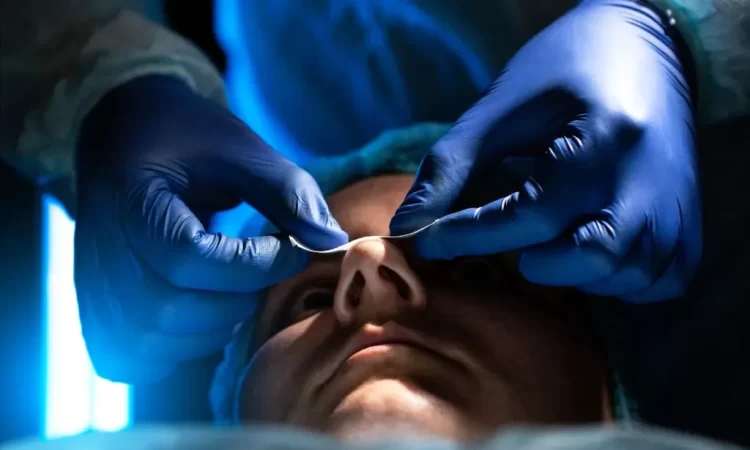
Deviated septum surgery, known as septoplasty, is a procedure that corrects the position of the septum. The goal is to straighten the wall and improve airflow through the nose.
In most cases, this surgery is performed for functional reasons, not cosmetic ones. It rarely alters outward features of the nose unless paired with another operation.
Why It’s Done
People usually consider this surgery when they have ongoing symptoms that don’t go away. This can include a blocked nose, trouble breathing through one side, repeated sinus infections, or disturbed sleep.
Some people also find themselves relying too much on nasal sprays just to feel normal. When these issues become constant, surgery can offer more lasting relief.
The Procedure
The surgery is usually done from inside the nose, so there are no visible cuts or scars. The doctor adjusts, removes, or repositions parts of the septum to make it straighter.
It is typically done under local or general anesthesia and takes about 30 to 90 minutes. Most people can go home the same day, as it’s not a very long or complicated procedure.
Recovery
Recovery is usually manageable, but you can expect some discomfort in the first few days. This may include swelling, mild pain, or a blocked nose.
Doctors often suggest resting, avoiding heavy activity, and keeping the head slightly elevated while sleeping. Most people feel better within a week, but full healing may take a few weeks.
Benefits
The biggest benefit is easier breathing. Many people notice a clear difference once the swelling goes down.
It can also help reduce snoring, improve sleep, and lower the chances of frequent sinus infections. Over time, it can make everyday activities feel more comfortable.
Risks
Like any surgery, there are some risks, although they are not very common. These may include bleeding, infection, or slight changes in the shape of the nose.
In rare cases, symptoms may not fully go away. Choosing an experienced doctor and following aftercare advice can help reduce these risks.
Final Thoughts
Deviated septum surgery is a straightforward procedure that can make a big difference for people dealing with constant breathing problems. It’s not always necessary, especially if symptoms are mild, but it can be helpful when the condition starts affecting daily comfort.
If you often feel blocked or struggle to breathe properly, it might be worth consulting a doctor. A simple evaluation can help you understand whether this treatment is the right option for you.